
A wooded estate lot is a mosquito’s ideal address, and Short Hills and Millburn are full of them. The mature trees that make these properties beautiful hold the damp shade the adults rest in through the heat of the day, and the low ground near South Mountain plus the ornamental water features scattered across big landscaped grounds give the larvae somewhere to grow. We are Aspenn Environmental Services, and we treat mosquitoes by knocking down that resting cover and draining the breeding water, so the yard is usable rather than surrendered from June on.
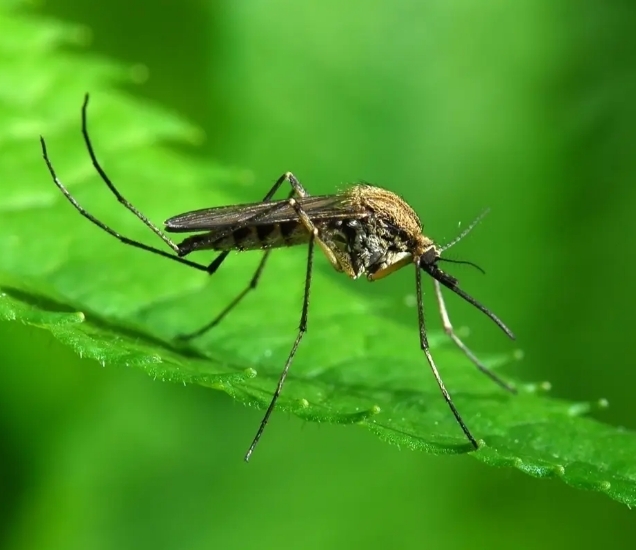
Mosquitoes do not travel far, so the ones biting on a Short Hills lawn almost always hatched on the property or a neighbor’s. What a large, mature, reservation-side lot supplies is the two things they need in abundance: shade to rest in by day and still water to lay in. The tree cover an estate property carries, plus the humid low ground near South Mountain, gives the resting adults a cool refuge that an open, sunbaked yard never offers.
The water is closer than most homeowners think, and it does not take much. A blocked gutter, a low spot that stays wet after rain, the saucer under a big planter, a birdbath, an ornamental pond edge, the tarp over patio furniture, a clogged drain in a hardscaped garden, any of these holds enough for a brood. On grounds this size, with irrigation running and plantings everywhere, those small reservoirs multiply, and each one turned over is a batch of mosquitoes that never hatches. That is why the walk of the property matters more than the fog of it.
Most of the daytime biting on an inland Essex lot is the Asian tiger mosquito, a small black-and-white striped insect that bites in daylight rather than at dusk and never leaves the yard it grew up in. It is a container specialist, breeding in those held-water pockets rather than in a marsh, which is exactly why emptying the water beats spraying the air, and why an estate lot with dozens of hidden reservoirs feeds it so well.
The other one to weigh is the Culex mosquito, the primary carrier of West Nile virus in New Jersey. Culex numbers build through the summer and peak from the middle of August into September, which is the stretch that carries the real disease concern in an urbanized Essex County, and the season most homeowners have relaxed their guard by. A program that runs into the fall covers that late Culex peak rather than quitting after the Fourth of July.

The wooded, low-lying, heavily planted lots take the brunt. A Short Hills or Millburn property with mature canopy, damp ground near the reservation, irrigation running through the beds, and ornamental water features holds far more resting cover and breeding water than an open, sunny parcel, and it draws the day-biting tiger mosquito in proportion. Grounds with a shaded ravine, a stream edge, or a low back corner that stays wet after rain sit at the top of the list. We read those features on the walk and put the treatment where the property actually holds mosquitoes, instead of fogging the open lawn where they never rest.
It opens in spring as the ground warms and the first broods hatch from water held over the wet months, builds through the heat of summer when a warm, wet week can turn a quiet yard loud in days, and then hands off to the Culex peak from mid-August into September. That late window is the one to plan for, because it pairs the highest West Nile risk with the point in the year homeowners have stopped watching the yard. We weight the treatment across the whole arc rather than front-loading it, so the property is not left open exactly when the disease-carrying mosquito is at its worst.
More than 30 years across the Northeast, over 2,400 five-star reviews, and BBB accreditation stand behind the work, and mosquito control on an estate lot is a matter of finding water, not spraying volume. We locate the breeding sources a big landscaped property hides, treat the shaded harborage the adults use, and keep the program running into the fall Culex peak, which is what puts the yard back in use for the family rather than the mosquitoes.
The same shaded, damp grounds that rest mosquitoes also stage the ticks coming off South Mountain, so many neighbors run the two together. Pair this with tick control in Short Hills, or start from the full Short Hills pest control plan.

We begin with the property, not the sprayer. On the first visit we walk the lot for the held water feeding the brood, the gutter, the low corner near the woods, the ornamental feature, the forgotten container, and clear or treat what we find, because a resting-cover treatment over an active breeding source only buys a couple of weeks. Then we apply a residual to the shaded harborage where the adults wait out the day: the underside of the tree canopy, the dense plantings, the damp mulch beds, the shrub lines along the property edge.
The plan runs six seasonal applications, 79 to 99 dollars a month by property size, under the Aspenn Protection Assurance: if the mosquitoes come back hard between visits, we return and re-treat at no extra charge.
Tell us where the biting is worst and we will walk the lot for the water and cover feeding it.
Mature trees hold the damp shade adult mosquitoes rest in through the day, and a large landscaped property carries plenty of small held-water pockets for them to breed in, from gutters to ornamental features. A lot near South Mountain adds humid low ground on top of that. Together they make an estate lot ideal habitat.
No. We treat the shaded harborage where mosquitoes actually rest, the canopy underside, the dense beds, the damp shrub lines, and clear the standing water they breed in, rather than fogging the open lawn they never use. That is what makes the treatment last.
Anything that holds water for a few days: clogged gutters, a low wet corner, planter saucers, a birdbath, an ornamental pond edge, a furniture tarp, a blocked garden drain. On a big irrigated property these add up, and the Asian tiger mosquito breeds in exactly these containers, not in open marsh.
Summer for sheer numbers, but the stretch that matters most is mid-August into September, when the West Nile-carrying Culex mosquito peaks. That is why we keep the plan running into the fall rather than stopping after midsummer, when many homeowners have let their guard down.
Yes, applied to label. We place the residual on the shaded resting cover and treat the breeding water, not across the open lawn and play areas the family uses. Tell us about children, pets, and sensitivities and we plan around them.
Emptying standing water weekly genuinely helps and is worth doing, but on a large wooded lot near the reservation the resting cover and the neighbors’ breeding sources keep refilling the yard. Clearing water plus a treated harborage is what actually holds the numbers down on a property this size.
Yes. A treatment a few days ahead of an outdoor gathering knocks the resting population down for it, which on an estate property hosting outdoors is a common request. The seasonal plan is what keeps the yard usable all summer rather than just for one date.
Yes, the whole township, from the Short Hills estate sections to the Millburn neighborhoods and the reservation edge. Lots near South Mountain and the wooded low ground carry the most pressure. If your street is not named, just call. We are already working the township.